
[Blog] 13 Years of Karate: Why I Still Practice at 62
 大志塾事務局
※ This article was written by a 62-year-old student who trains in the adult class at Taishijuku.
When people hear the word “karate,” they often imagine strong punches and kicks, or tough training where you must fight others and overcome pain and fear.
That image is not wrong—some dojos are very strict.
But the training at my dojo, Taishijuku, is a little different.
At Taishijuku, about half of our practice is “basic training” to build strong legs and balance. After that, we learn “kata,” which are set forms of movements.
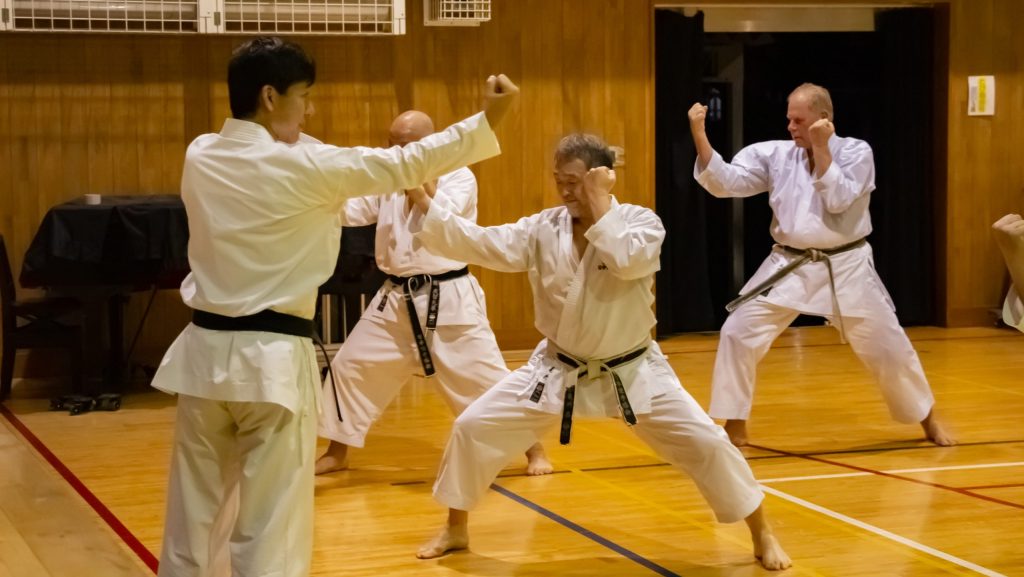
We only do a small amount of sparring with partners. And even then, beginners and intermediate students do “yakusoku kumite,” which means practicing with agreed movements to keep it safe.
The fast and free sparring you see in videos is only for advanced students with a lot of experience.
I joined the dojo 13 years ago, when I was 49 years old.
My reason was simple: I wanted to do some light exercise to stay healthy. I had no experience in martial arts, and I didn’t join because I wanted to become strong.
Now, I’m 62 years old, and I still go to practice a few times a week.
Why have I continued for so long?
As I kept training, I realized that the most important things for me were “connections with people” and “the joy of learning.”
During practice, we talk to each other, help each other with movements, and sweat together.
After practice, we sometimes eat together and enjoy casual conversations, even with people of different ages.
These small moments taught me that karate is more than just exercise.
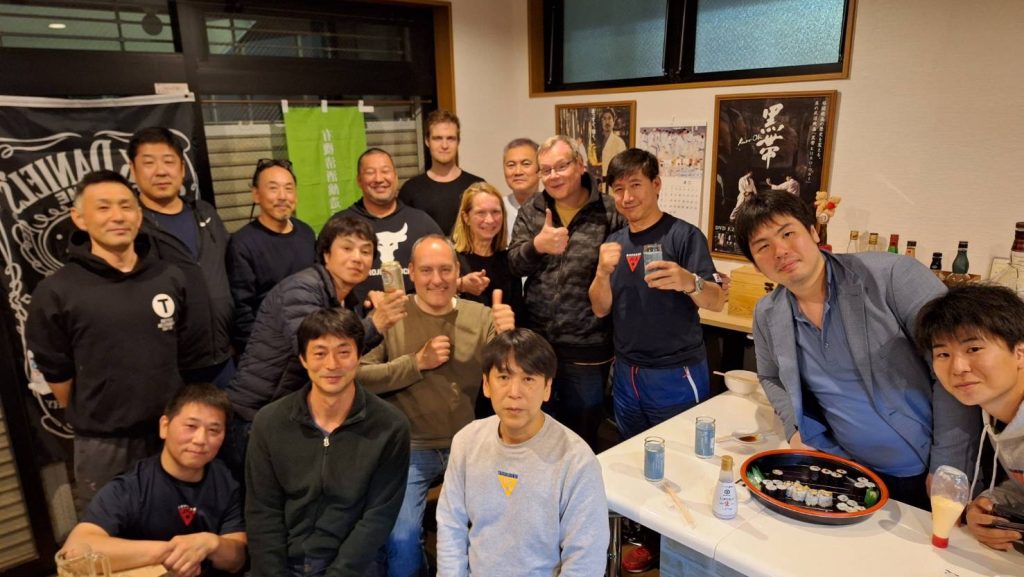
Of course, learning techniques is important. But for me, learning together with others has been even more meaningful.
Karate practice is also a time to look inside myself. While learning techniques, I notice my habits and weaknesses.
When I teach others, I understand things more clearly. And doing this together with friends—not alone—has helped me feel calm and happy.
At Taishijuku, it’s normal to learn together, not to struggle alone.
Age and gender don’t matter. From young children to people in their 80s, we all train together. We share our goals and support each other.
In this kind of place, continuing karate became something natural for me.
The atmosphere of the dojo also helps me keep going.
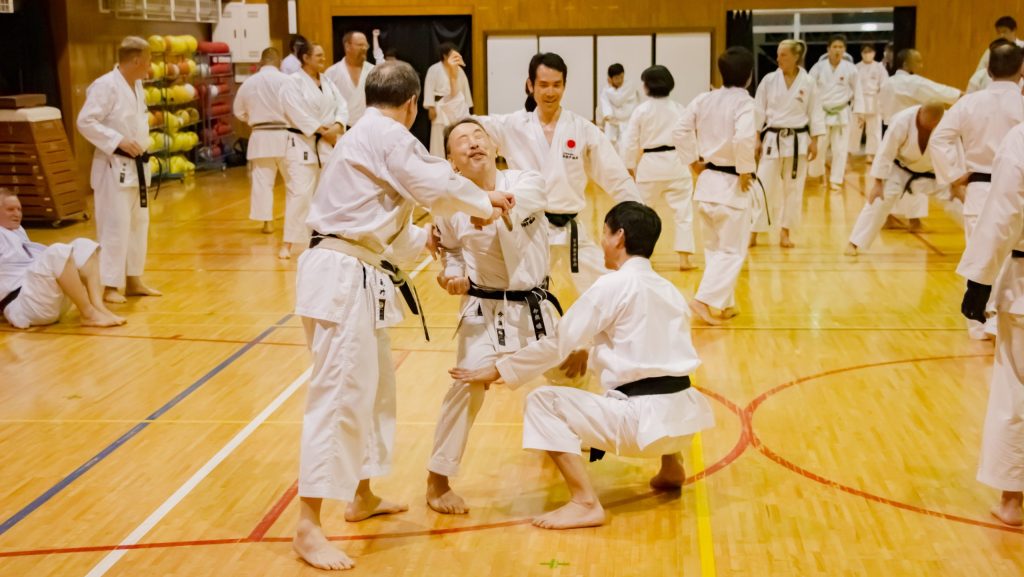
There is no shouting or pressure.
Our instructors and fellow students always say, “Go at your own pace.” Because of that, I can try new things without fear of failure or worrying about my age.
This kind and healthy environment gives karate a deeper meaning beyond just being a martial art.
Karate has also changed my daily life.
My posture has improved, my health is better, and I feel more positive. Going to the dojo a few times a week, meeting friends, learning, teaching, and feeling thankful—these experiences help me believe, “I can still do something.”
Karate is not just about becoming strong. It’s about growing little by little, together with others.
At Taishijuku, there is a real spirit of learning and growing at any age, both in body and in mind.
It’s already been 13 years. I just don’t see any reason to stop.
Karate has become a natural and important part of my life.
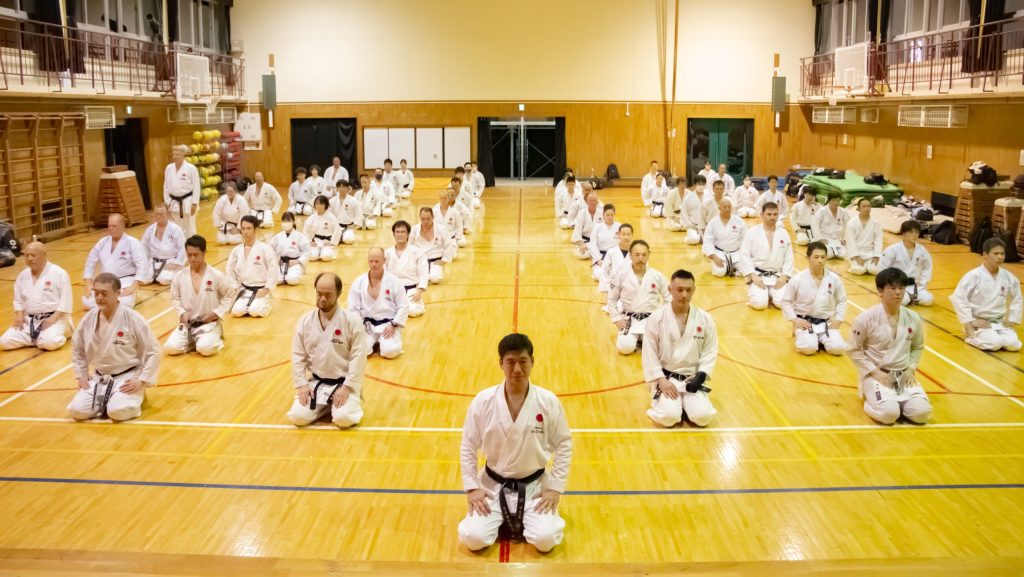
We welcome karate practitioners from abroad to join our regular dojo training sessions.
Please fill out and submit the form below if you would like to participate in our regular dojo sessions.
※ Our dojo is an organisation under the JKA and is not involved in any way in the management of the JKA Headquarters. We only respond to inquires regarding participation in dojo training and private lessons.
Dojo training hours/Access